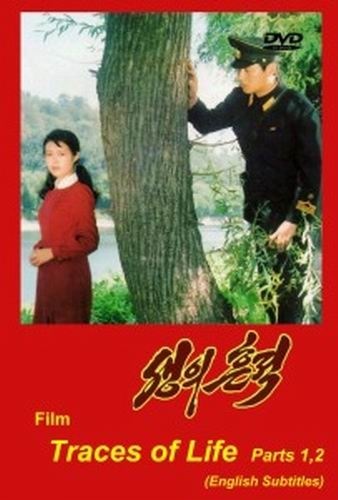

This is the story of Ji Jun, the widow of a sailor who swims out to an American warship with a mine in his hands and destroys it Kamikaze fashion during the Korean War. The sailor is a true believer in the revolution, while his wife cares more about what goes on in the household. In a change of heart, she decides to return to his farming village and work with the other beneficiaries of land reform to produce food for the revolution. The movie climaxes with her being awarded for presiding over a bumper crop.
Obviously, this movie owes a lot to the Stalinist “people’s hero” movies of the 30s and 40s but it is redeemed by surprising admissions that a collective farm is no paradise. When a disabled sailor is rejected as a member, he reacts bitterly and drowns his sorrow in alcohol. The ties between Ji Jun and her two children are also fairly complex, given the propaganda parameters. They feel that she has not given proper respect to her dead husband, but in the end family and nation are reconciled.